SEMINOLE COUNTY · CENTRAL FLORIDA
Seminole County · Greater Central Florida
THE NEIGHBORHOOD
Where the Cross Seminole Trail runs through the older Seminole County suburb the metro forgot to overhaul.
THE STORY
Winter Springs has been called a lot of things. Settlement around 1865 went by Tuskawilla, and before formal incorporation the area was variously Wagner, Clifton, Alluvia, Gee Hammock, Econtohatchee, White's Landing, Solary's Wharf and Lake Jesup. It incorporated in 1959 as North Orlando, with no more than 600 residents, named for the North Orlando Company that was trying to grow it.
The name did not survive contact with geography. North Orlando is not adjacent to Orlando, which confused people, so when the 3,400 acres held by the Winter Springs Development Company were annexed in 1962 the village was re-chartered under the developer's name. The change was finalised in 1972, and the city is now the largest in Seminole County by land area.
Two things drove the growth after that. Florida Technological University opened nearby in 1968 and became the University of Central Florida, and the Tuskawilla golf corridor gave the eastern side of the city an organising feature that most Seminole suburbs lack.
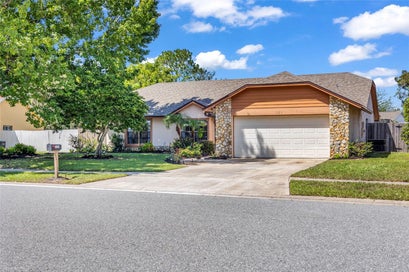
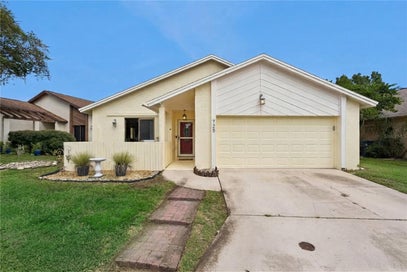
The inventory runs across those eras: older mid-century stock in the original North Orlando blocks, master-planned pods around the Tuskawilla course, and newer construction along the SR 434 corridor and toward the northern edge. The Cross Seminole Trail and Central Winds Park support an outdoor rhythm that shows up in what buyers ask about.
Winter Springs is served by Seminole County Public Schools. For buyers the case is established Seminole County character with golf and trail adjacency across a genuinely wide price band, in a mature market where turnover comes from move-up demand rather than new supply.
Frequently Asked
Winter Springs has been called a lot of things. It incorporated in 1959 as North Orlando with no more than 600 residents, but North Orlando is not adjacent to Orlando, which confused people, so when the 3,400 acres held by the Winter Springs Development Company were annexed in 1962 the village was re-chartered under the developer's name. It is now the largest city in Seminole County by land area.
The SR 434 corridor is the spine and carries much of the local traffic and newer construction. Growth here was driven partly by Florida Technological University opening nearby in 1968, now the University of Central Florida, and that employment remains a large part of the local commute. We will run the route for the address you are considering.
Housing here runs across the city's eras: older mid-century product in the original North Orlando blocks, master-planned pods around the Tuskawilla golf corridor, and newer construction along the SR 434 corridor and toward the northern edge. That spread gives a genuinely wide price band.
That varies by pod in Winter Springs. The master-planned neighborhoods around the Tuskawilla golf corridor are a different product from the original North Orlando blocks and much of the SR 434 corridor. Tell us which one you are considering and we will confirm its entry arrangement.
The village was re-chartered under the Winter Springs Development Company name in 1962, and a city rate applies today alongside Seminole County's. Era decides the rest: the Tuskawilla corridor pods and newer SR 434 construction carry association obligations, while the original North Orlando blocks generally do not.
Ask to join our buyer list for Winter Springs alerts.
What matters most here is which era you buy. The original North Orlando mid-century blocks need roof, panel and plumbing read to that age. Master-planned pods around the Tuskawilla golf corridor need association documents and any golf obligation confirmed. Newer SR 434 construction needs builder warranty and assessments. This is a mature market where turnover comes from move-up demand rather than new supply, so inventory can be thin.
The Tuskawilla golf corridor pods carry an organizing feature most Seminole suburbs lack. The original North Orlando blocks are the entry point and hold the older mid-century stock. Current product sits along SR 434 and toward the northern edge. Cross Seminole Trail and Central Winds Park adjacency comes up constantly in what people ask about here.
The Cross Seminole Trail and Central Winds Park support an outdoor rhythm that shows up directly in what buyers ask about here. The Tuskawilla golf corridor gives the eastern side of the city its organizing feature, and Lake Jesup sits on the northern edge of the city's land area.
SPEAK WITH AN MCR AGENT
Our agents live and work in Central Florida. They'll know which streets to walk, which homes are coming off-market, and which numbers will actually pencil out.
WORTH EXPLORING